

Technology is one of the most influential forces shaping the global economy and personal careers today. From artificial intelligence to cloud computing, digital innovation touches every industry—from healthcare and education to entertainment and finance. But with fast‑changing trends, automation, and new career directions emerging constantly, many people are still asking
Is Technology a Good Career Path?
The answer is yes — technology remains one of the most promising, future‑proof, and rewarding career paths available. But that answer has layers, nuances, and considerations you should understand before you commit.
This article gives you a complete explanation — why tech is a strong career choice in 2026, how the industry is evolving, what jobs are most in demand, the challenges you’ll face, the skills you need, and how to start your tech journey the right way.
Table of Contents
Why Technology Still Dominates the Job Market
Technology has transformed virtually every aspect of modern life, from how we shop and communicate to how businesses optimize operations and deliver services. Consider these real‑world examples:
- Mobile banking apps have reshaped financial habits.
- Remote work tools allow teams to collaborate from anywhere.
- AI‑powered virtual assistants make complex information accessible.
These innovations didn’t happen by accident. They were driven by professionals with tech skills — developers, engineers, data scientists, cybersecurity experts, UX designers, cloud architects, and more.
Tech Skills Are Needed Everywhere
Today, technology isn’t isolated in one sector — it is embedded across all fields. Even industries like agriculture, fashion, and logistics rely on digital tools, data, automation, and e‑commerce platforms. This means tech opportunities are no longer limited to Silicon Valley or traditional tech firms. Every business is now a technology business in some form.
One deep way to understand this shift is to explore working lifestyles and how digital tools influence evolution of careers today. You can explore more about how modern work culture supports tech roles here:
Outlook for Tech Careers Through 2026 and Beyond
When people ask “Is technology a good career path in 2026?” they really mean: Will these jobs still be relevant, stable, and well‑paid in the future? The answer is overwhelmingly affirmative — but with important context.
Tech Isn’t Just About Computers Anymore
In 2026, technology roles will span interdisciplinary areas such as:
- Data science and analytics — understanding patterns and business behavior.
- AI and automation — building systems that learn and act.
- Cybersecurity — protecting sensitive data and systems.
- Cloud computing — managing remote infrastructure.
- DevOps and agile delivery — speeding up product deployment.
These jobs will not only exist — they’ll expand and evolve. Companies won’t stop investing in digital transformation even during economic uncertainty, which means tech jobs will continue to be among the most resilient and in demand.
Why 2026 Is a Key Year
By 2026, most enterprises will have fully integrated digital systems, smart automation, and cloud platforms in ways that weren’t standard just a few years ago. This means:
- Tech roles will be central to business strategy.
- Digital fluency will become a baseline requirement.
- Hybrid and remote work structures will be normal.
So the real question becomes not whether tech is a good career — but how you prepare yourself to thrive in the tech workforce of 2026.
Top In‑Demand Tech Jobs You Should Know About
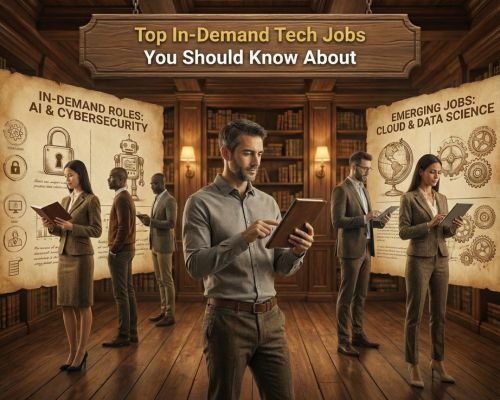
Not all technology jobs are created equal — some are more in demand (and better paid) than others. Here’s a breakdown of key roles you should consider:
Software Developer / Engineer
Software developers remain at the heart of technology innovation. They build the applications we use on phones, laptops, and clouds. Demand for skilled developers continues to grow because:
- Every product needs software integration.
- Companies seek custom tools to stay competitive.
- Emerging tech (AR/VR, IoT, AI) requires software logic.
If you enjoy problem solving, building things from scratch, and continuous learning, this path can be rewarding.
Data Scientist / Analyst
Data is often called the “new oil” — but raw data on its own is not useful unless interpreted. Data professionals extract meaning from large datasets to help businesses make decisions. Fields such as healthcare, finance, retail, and logistics all use data insights to optimize operations.
Cloud Engineer / Architect
Cloud professionals design and manage remote computing infrastructure. As more companies move away from physical servers to scalable cloud systems, these roles are widely sought after.
Cybersecurity Specialist
Security has become a top priority for every organization that stores data digitally. Cybersecurity specialists protect systems from breaches, data theft, and malicious attacks.
AI/Machine Learning Engineer
Artificial intelligence and machine learning engineers design algorithms that automate tasks, recognize patterns, and make predictions. As AI becomes more integrated into business tools, demand for these skills rises.
UX/UI Designer
User experience (UX) and user interface (UI) designers ensure software and apps are intuitive, accessible, and beautiful. This role combines creativity with user empathy — a valuable blend.
Benefits of a Technology Career

If you’re considering tech as a career path, here are the most compelling advantages:
High Salary Potential
Tech jobs consistently rank among the highest paying careers worldwide. Even entry‑level roles often pay more than average wages in other sectors.
Global Opportunities
Tech skills are recognized worldwide. You can work locally or remotely, for international companies, startups, or large corporations.
Job Stability and Growth
As businesses continue investing in digital transformation, tech professionals have a significant advantage. Roles in software, cloud, data, and security are constantly expanding.
Continuous Innovation
If you love learning new things and solving problems, technology offers endless opportunities for growth, exploration, and leadership.
Flexible Work Arrangements
Many tech jobs offer flexibility in work location (remote/hybrid), flexible hours, and project‑oriented workflows.
Common Misconceptions and Challenges
Myth: Tech Is Only for Math Geniuses
Not true. While some tech roles involve math, many others focus on creativity, logic, communication, and design. Success in tech often depends more on problem solving and persistence than any single academic subject.
Myth: Tech Jobs Are Easy to Get Without Skills
Getting a job in tech without relevant skills is rare. Employers look for demonstrable experience — projects, portfolios, internships, and real‑world work. Education (degrees or certifications) helps, but what you can do matters most.
Challenge: Continuous Learning Is Required
Technology evolves fast. New programming languages, frameworks, and tools emerge every year. Professionals need to stay updated through courses, certifications, and hands‑on practice.
Challenge: Some Roles Are Competitive
Senior and specialized tech roles (like AI architect or principal engineer) are competitive. Entering these roles requires dedication, experience, and strong expertise.
Essential Skills for Tech Professionals in 2026
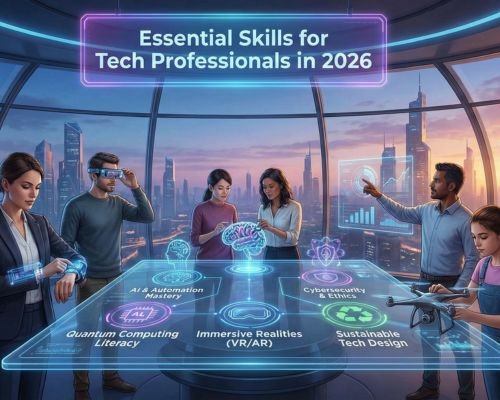
The tech skills you develop now will determine your career trajectory by 2026. Here’s what matters most:
Technical Skills
- Programming Languages: Python, JavaScript, Java, C#
- Cloud Platforms: AWS, Microsoft Azure, Google Cloud
- Data & Analytics: SQL, Python, Tableau
- AI/ML Libraries: TensorFlow, Scikit‑Learn
- Cybersecurity Tools: Firewalls, Encryption, Ethical Hacking
- DevOps Tools: Docker, Kubernetes, CI/CD pipelines
These skills reflect the intersection of current demand and future growth.
Soft Skills
Technical skills will get you in the door — but soft skills will help you advance.
- Problem Solving
- Communication
- Team Collaboration
- Adaptability
- Critical Thinking
Employers increasingly value professionals who can bridge technical knowledge with strategic thinking and teamwork.
How to Start a Career in Technology
Here’s a practical roadmap for launching your tech career — whether you’re a student, a career changer, or just getting started.
Step 1: Choose a Specialty
Decide where your interests lie:
- Software development
- Data science
- Cybersecurity
- Cloud engineering
- UX/UI design
Your focus will guide your learning path.
Step 2: Build a Learning Foundation
You can learn through:
- University degrees
- Bootcamps
- Online courses (Udemy, Coursera, edX)
- Self‑paced tutorials
The key is structured learning with measurable progress.
Step 3: Create Projects and Build a Portfolio
Hands‑on experience matters.
- Build apps
- Analyze datasets
- Deploy in the cloud
- Create design mockups
Your portfolio shows employers what you can do.
Step 4: Earn Certifications
Certifications help validate skills:
- AWS Certified Solutions Architect
- Google Cloud Professional
- CompTIA Security+
- Microsoft Azure Fundamentals
These make your resume stronger and your expertise visible.
Step 5: Network and Apply
Use platforms like LinkedIn to connect with professionals, join tech communities, attend meetups, and apply for internships and entry‑level roles.
Work‑Life Balance and Tech Lifestyle Trends
Tech jobs are known for flexibility — but experiences vary by company and role.
Remote and Hybrid Work
Tech companies often support flexible work structures:
- Work from home
- Flexible hours
- Project‑based contributions
This flexibility can improve work‑life balance, but it also requires discipline, routine, and time management.
Burnout Is Real
Some roles involve tight deadlines or high productivity phases — especially around product launches. Balancing deadlines with personal time is essential for long‑term success.
The Role of Continuous Learning in Tech Careers
Technology isn’t a static field. New frameworks, tools, and methodologies appear regularly. That means continuous learning isn’t optional — it’s part of the job.
Ways to Keep Learning
- Short courses (Coursera, Udemy)
- Tech blogs and newsletters
- Mentorship and peer review
- Tech conferences and webinars
- Certifications
Approaching learning as a career habit — not just a phase — keeps you competitive and confident.
Final Verdict on Technology as a Career Path
So, is technology a good career path in 2026?
Absolutely — yes.
Here’s why:
- Demand for tech professionals continues to grow.
- Tech roles offer high earning potential and global opportunities.
- Skills developed in tech are adaptable and future‑proof.
- Technology isn’t just an industry — it’s a foundation of modern business.
- With the right training and mindset, tech careers provide both stability and flexibility.
Whether you’re aiming for software engineering, cloud computing, data science, cybersecurity, UX design, or AI, technology offers dynamic and rewarding career opportunities.
If you’re ready to take your first step — or your next big leap — be confident that technology is a strong and sustainable career choice.
For further perspective and external insights on this topic, explore this thorough industry article: https://www.coursera.org/articles/is-technology-a-good-career-path.